
Looking for intellectually challenging books that actually make you think? This list highlights books that make you think deeply, challenge your assumptions, and reward slow, focused reading. These are difficult books worth reading, the kind that push your brain, not just your reading speed.
From dense philosophy to complex fiction and big-idea science, each title on this list is known for its intellectual difficulty and lasting impact. Some are tough to follow. Others require rereads. All of them offer a serious mental workout for readers who want more than an easy, cozy read.
If you enjoy intellectually stimulating books that test your patience and expand your perspective, these are the most intellectually challenging books to add to your reading list next.
How This List Was Chosen
Not all “hard” books are challenging in the same way. Some demand close attention to language. Others push big, abstract ideas or experiment with structure in ways that make you slow down and rethink how you read. To create this list, we focused on intellectually challenging books that consistently stretch readers beyond their comfort zones.
Each book was selected based on a combination of factors, including overall intellectual difficulty, depth of ideas, and long-term impact on readers and culture. We also considered how often these titles are described as books that make you think, spark debate, or require rereading to fully appreciate.
The final list balances classic and modern works, fiction and nonfiction, and different types of mental challenges. While every reader’s experience will vary, these are widely regarded as some of the most intellectually stimulating books, and some of the most rewarding, for anyone who enjoys a serious mental workout.
Difficulty Guide: What You’re Signing Up For
Before diving in, it helps to know what kind of challenge you’re about to take on. Not every intellectually challenging book is difficult for the same reason. Some are heavy on abstract ideas, while others are tough because of dense language, nonlinear storytelling, or unfamiliar concepts.
To make this list easier to navigate, each book includes an Intellectual Intensity rating based on how demanding it is for the average reader:
- 🧠🧠 | Challenging but approachable
Requires focus, but still manageable with steady reading. - 🧠🧠🧠 | Mentally demanding
Complex ideas or structure that may slow you down and require reflection. - 🧠🧠🧠🧠 | Very challenging
Dense writing, layered themes, or unconventional formats that benefit from rereading. - 🧠🧠🧠🧠🧠 | Maximum brainpower required
Extremely demanding books that test patience, comprehension, and critical thinking.
Difficulty is subjective, and your background, reading habits, and familiarity with the topic will all play a role. Think of this guide as a helpful heads-up, not a warning sign. These books that make you think are tough for a reason, and the payoff is well worth the effort.
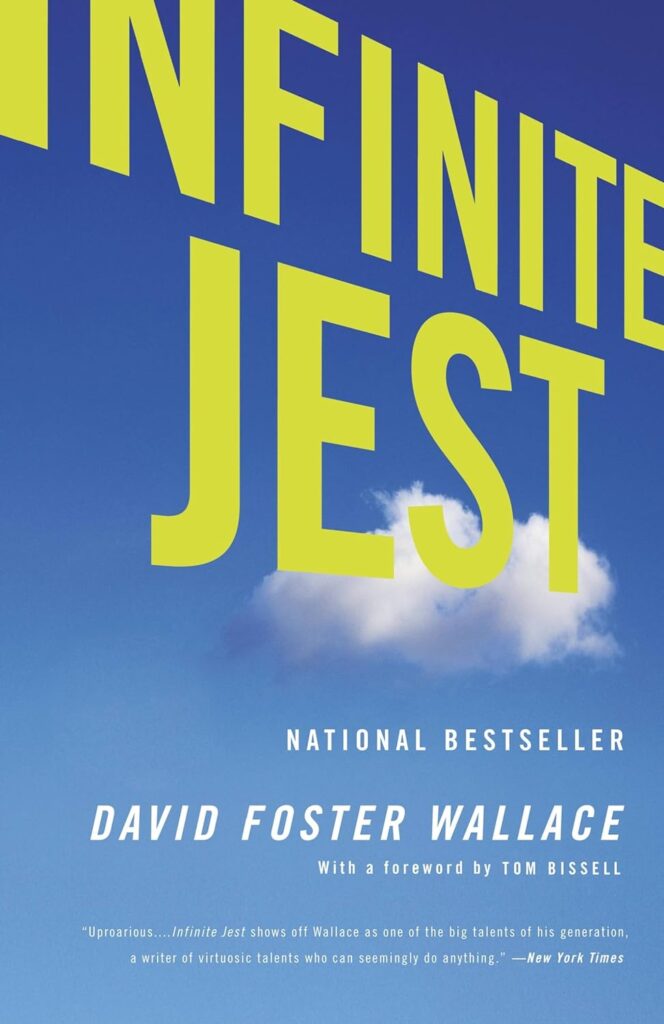
1. Infinite Jest by David Foster Wallace
Intellectual Intensity: 🧠🧠🧠🧠🧠
Synopsis
Set in a near-future North America obsessed with entertainment and distraction, Infinite Jest weaves together the lives of tennis prodigies, recovering addicts, and shadowy political groups. The novel jumps between timelines and perspectives, slowly revealing how addiction, ambition, and pleasure shape modern life.
Why It’s Challenging
This book is famous for its sheer density. Expect long sentences, frequent footnotes (some of which have footnotes of their own), and a nonlinear structure that refuses to hold your hand. Wallace demands close attention and patience, often forcing readers to piece together meaning on their own.
Reader Impact
For readers who stick with it, Infinite Jest becomes deeply rewarding. Many consider it one of the most intellectually stimulating novels ever written, one that changes how you think about media, dependency, and self-awareness long after you finish.
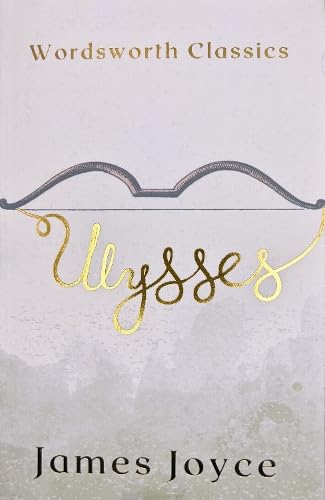
2. Ulysses by James Joyce
Intellectual Intensity: 🧠🧠🧠🧠🧠
Synopsis
Set over a single day in Dublin, Ulysses follows Leopold Bloom and Stephen Dedalus through ordinary moments elevated into epic significance. Each chapter mirrors episodes from The Odyssey, blending myth with modern life.
Why It’s Challenging
Joyce constantly shifts writing styles, experiments with stream-of-consciousness narration, and loads the text with literary, historical, and linguistic references. There is no single “right” way to read Ulysses, which makes it both intimidating and endlessly complex.
Reader Impact
Often labeled one of the most intellectually challenging books of all time, Ulysses rewards rereading and discussion. Readers who finish it gain not just a story, but a deeper appreciation for what language and narrative can do.
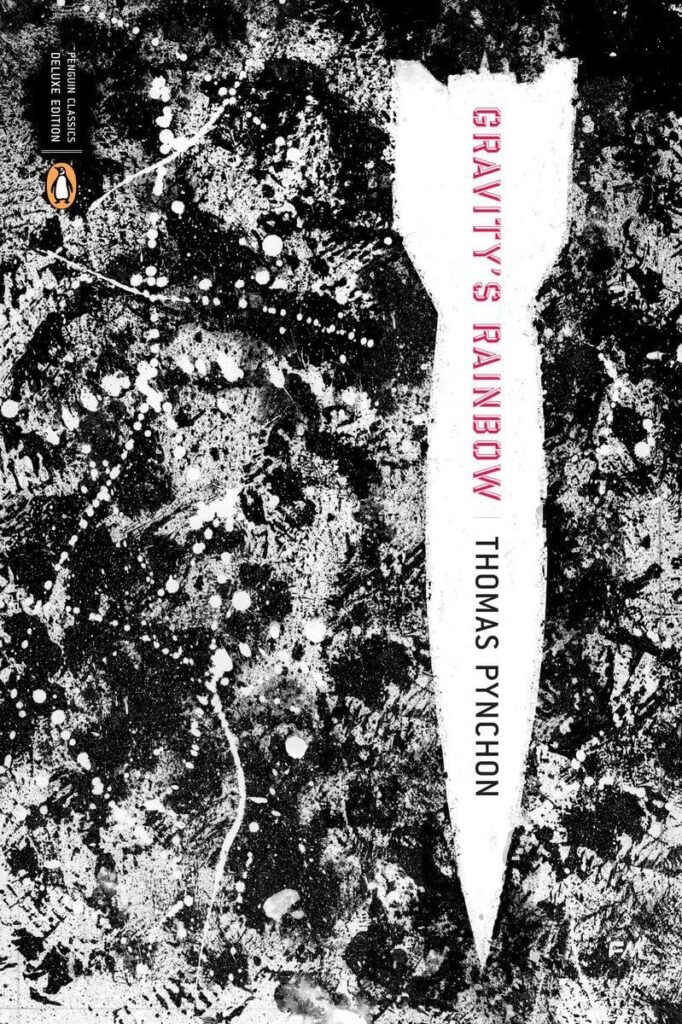
3. Gravity’s Rainbow by Thomas Pynchon
Intellectual Intensity: 🧠🧠🧠🧠🧠
Synopsis
Set during and after World War II, Gravity’s Rainbow follows a sprawling cast of characters connected by rockets, paranoia, and power. The novel blends history, science, satire, and surrealism into a chaotic but intentional narrative.
Why It’s Challenging
Pynchon’s writing is dense, fragmented, and packed with obscure references. The plot is deliberately unstable, often dissolving into songs, technical jargon, and philosophical tangents. Traditional storytelling rules simply do not apply.
Reader Impact
This is a book that overwhelms before it enlightens. Readers who enjoy unraveling meaning from chaos often cite Gravity’s Rainbow as one of the most mentally demanding novels they’ve ever read.
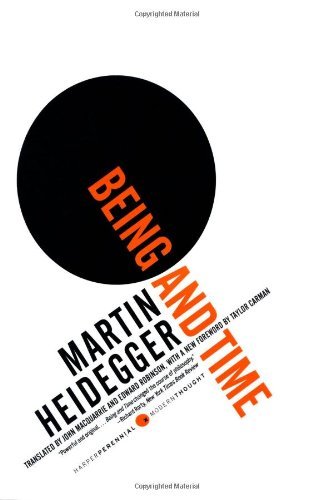
4. Being and Time by Martin Heidegger
Intellectual Intensity: 🧠🧠🧠🧠🧠
Synopsis
In Being and Time, Heidegger explores what it means to exist, introducing his concept of Dasein—human being as a conscious presence in the world. The book aims to fundamentally rethink philosophy’s approach to meaning and existence.
Why It’s Challenging
This is dense, abstract philosophy written in highly technical language. Heidegger invents terminology, redefines common words, and builds arguments slowly and methodically. It is not designed for casual reading.
Reader Impact
For readers interested in philosophy, this book can be transformative. It reshapes how you think about time, selfhood, and reality, and earns its reputation as one of the most intellectually demanding philosophy books ever written.
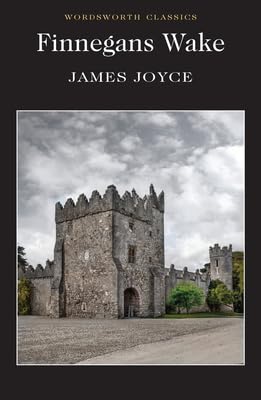
5. Finnegans Wake by James Joyce
Intellectual Intensity: 🧠🧠🧠🧠🧠
Synopsis
Finnegans Wake is less a traditional novel and more a linguistic experiment. Written in a dreamlike language that blends multiple languages, puns, and invented words, it follows cyclical patterns rather than a clear plot.
Why It’s Challenging
Many readers consider this the hardest novel ever written. Sentences defy grammar, meaning shifts constantly, and interpretation is entirely open-ended. Reading even a few pages requires intense focus.
Reader Impact
Very few people “finish” Finnegans Wake in the conventional sense. Those who engage with it experience literature at its most experimental and gain a new appreciation for the limits of language itself.
6. Critique of Pure Reason by Immanuel Kant
Intellectual Intensity: 🧠🧠🧠🧠🧠
Synopsis
Kant’s Critique of Pure Reason examines how humans acquire knowledge and what we can truly know about reality. It attempts to bridge rationalism and empiricism into a single philosophical framework.
Why It’s Challenging
The arguments are abstract, systematic, and highly technical. Kant’s writing is famously difficult, requiring slow reading and often outside explanations to fully grasp.
Reader Impact
This book reshaped modern philosophy. While extremely demanding, it provides readers with a deeper understanding of reason, perception, and the foundations of human knowledge.
7. The Brothers Karamazov by Fyodor Dostoevsky

Intellectual Intensity: 🧠🧠🧠🧠
Synopsis
This novel explores faith, morality, free will, and family conflict through the lives of the Karamazov brothers. It blends psychological realism with deep philosophical and theological questions.
Why It’s Challenging
The book is long, emotionally intense, and packed with philosophical debates. Dostoevsky forces readers to wrestle with uncomfortable questions about good, evil, and responsibility.
Reader Impact
Many readers describe this as one of the most profound reading experiences of their lives. It is a book that makes you think deeply, long after the final page.
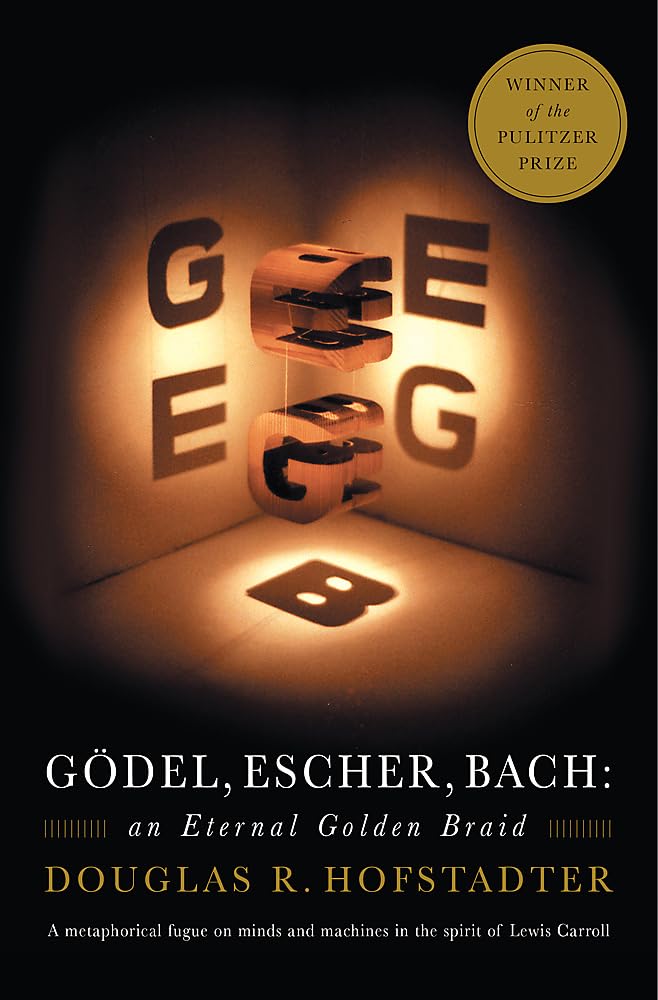
8. Gödel, Escher, Bach: An Eternal Golden Braid by Douglas Hofstadter
Intellectual Intensity: 🧠🧠🧠🧠
Synopsis
This genre-defying book explores consciousness, logic, mathematics, art, and music through playful dialogues and dense theoretical discussions. Hofstadter connects Gödel’s theorems, Escher’s art, and Bach’s music into one grand idea.
Why It’s Challenging
The book constantly shifts between disciplines and levels of abstraction. Readers must follow complex logical arguments while also appreciating creative metaphors.
Reader Impact
For curious minds, this is one of the most intellectually stimulating books ever written. It fundamentally changes how readers think about systems, minds, and meaning.
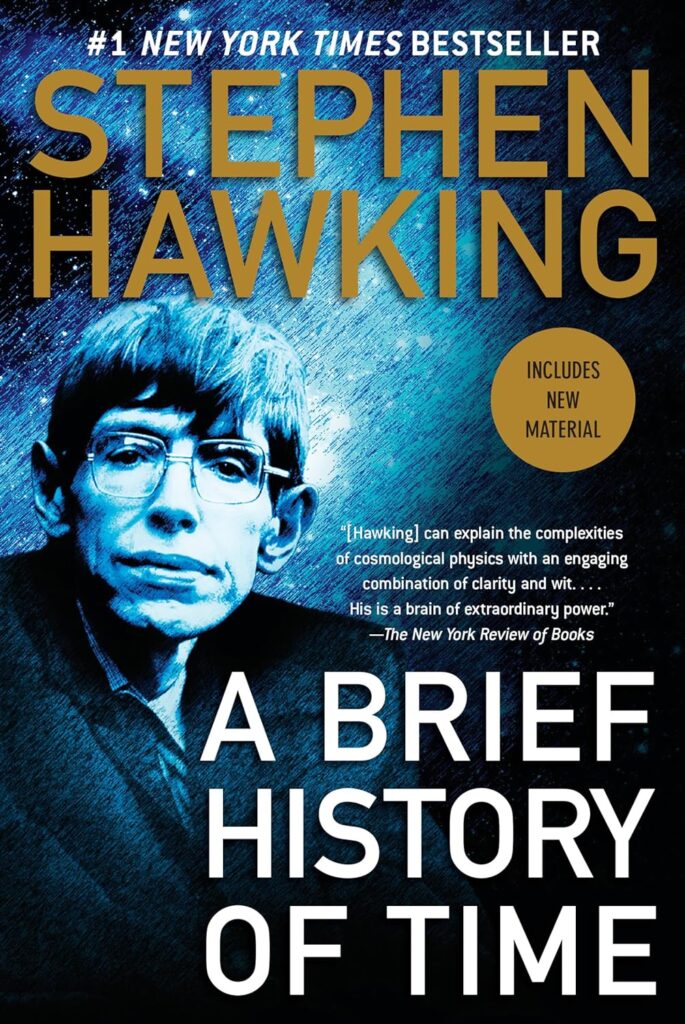
9. A Brief History of Time by Stephen Hawking
Intellectual Intensity: 🧠🧠🧠
Synopsis
Hawking explains the origins of the universe, black holes, time, and space in a way meant for general readers. The book tackles some of the biggest scientific questions ever asked.
Why It’s Challenging
Even simplified, the concepts are abstract and counterintuitive. Readers must grapple with theoretical physics ideas that stretch everyday understanding.
Reader Impact
This book opens the door to cosmology for non-scientists. It’s a rewarding challenge that leaves readers with a greater sense of awe about the universe.
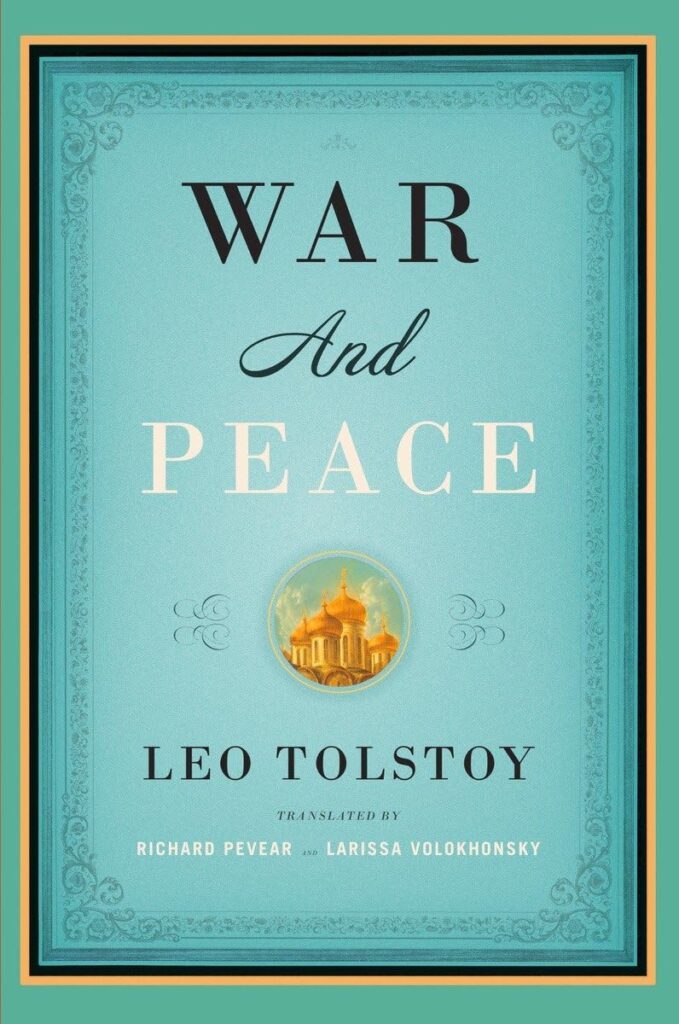
10. War and Peace by Leo Tolstoy
Intellectual Intensity: 🧠🧠🧠🧠
Synopsis
Set during the Napoleonic Wars, War and Peace follows multiple Russian families through love, loss, and political upheaval. It blends historical fiction, philosophy, and social commentary.
Why It’s Challenging
The novel is massive, with a huge cast of characters and frequent philosophical digressions. Keeping track of relationships and themes requires sustained attention.
Reader Impact
Finishing War and Peace is a major reading milestone. Readers often come away with a deeper understanding of history, humanity, and the complexity of life itself.
11. Thinking, Fast and Slow by Daniel Kahneman

Intellectual Intensity: 🧠🧠🧠🧠
Synopsis
In Thinking, Fast and Slow, Nobel Prize–winning psychologist Daniel Kahneman breaks down how the human mind actually works. He introduces two modes of thinking: fast, intuitive reactions and slow, deliberate reasoning, and shows how often they conflict.
Why It’s Challenging
The difficulty here is conceptual rather than linguistic. Kahneman constantly challenges readers’ assumptions about logic, judgment, and decision-making. Many ideas feel counterintuitive, forcing you to rethink everyday choices and beliefs.
Reader Impact
This is one of those books that make you think every time you make a decision afterward. Readers often report becoming more aware of their own cognitive biases and less confident in how “rational” they really are.
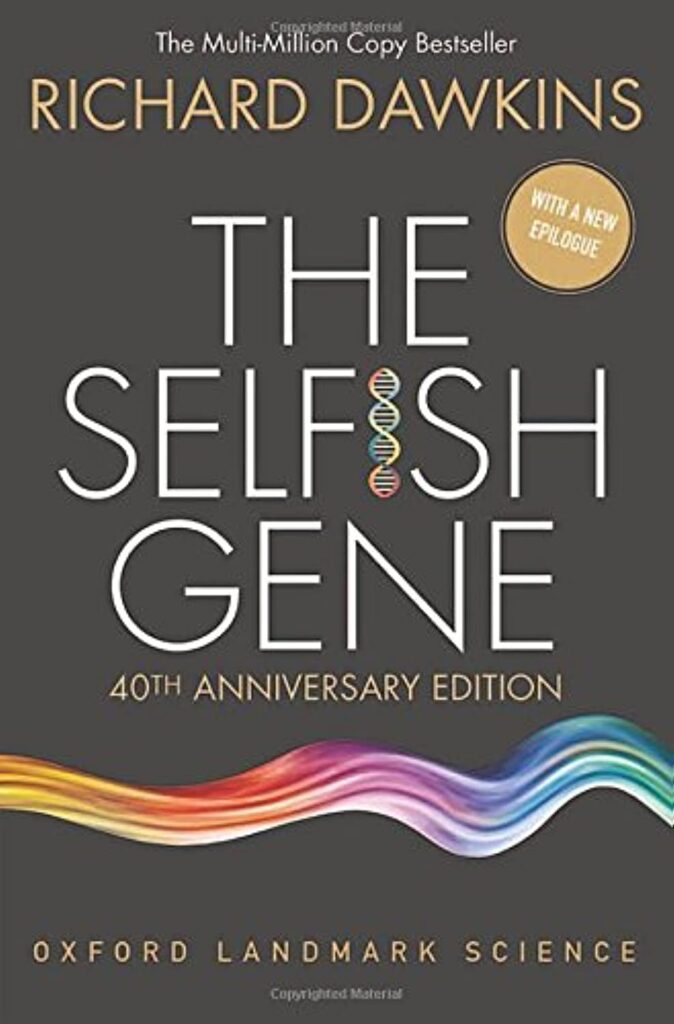
12. The Selfish Gene by Richard Dawkins
Intellectual Intensity: 🧠🧠🧠🧠
Synopsis
Dawkins reframes evolution by focusing on genes rather than organisms. In this view, genes are the primary drivers of behavior, survival, and reproduction, shaping life across generations.
Why It’s Challenging
The ideas are intellectually demanding and often provocative. Readers must grasp evolutionary logic while confronting uncomfortable implications about altruism, morality, and human behavior.
Reader Impact
This book permanently changes how many readers understand evolution. It’s a deeply intellectually stimulating book that sparks debate, reflection, and long-term curiosity about biology and behavior.
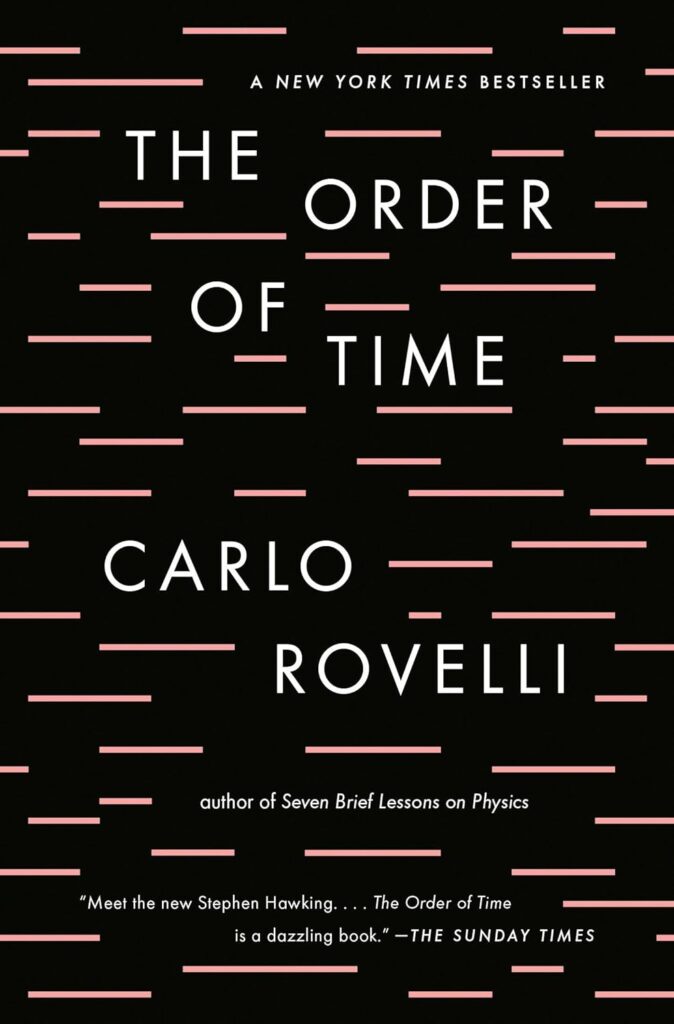
13. The Order of Time by Carlo Rovelli
Intellectual Intensity: 🧠🧠🧠🧠
Synopsis
Physicist Carlo Rovelli explores the nature of time: what it is, how it works, and whether it even exists the way we think it does. The book blends modern physics with philosophy and poetry-like reflection.
Why It’s Challenging
Rovelli asks readers to let go of everyday intuitions about past, present, and future. The science is complex, and the philosophical implications require slow, thoughtful reading.
Reader Impact
This is a short book with an outsized effect. Many readers walk away questioning their understanding of reality itself, making it one of the most mentally challenging science books for non-specialists.
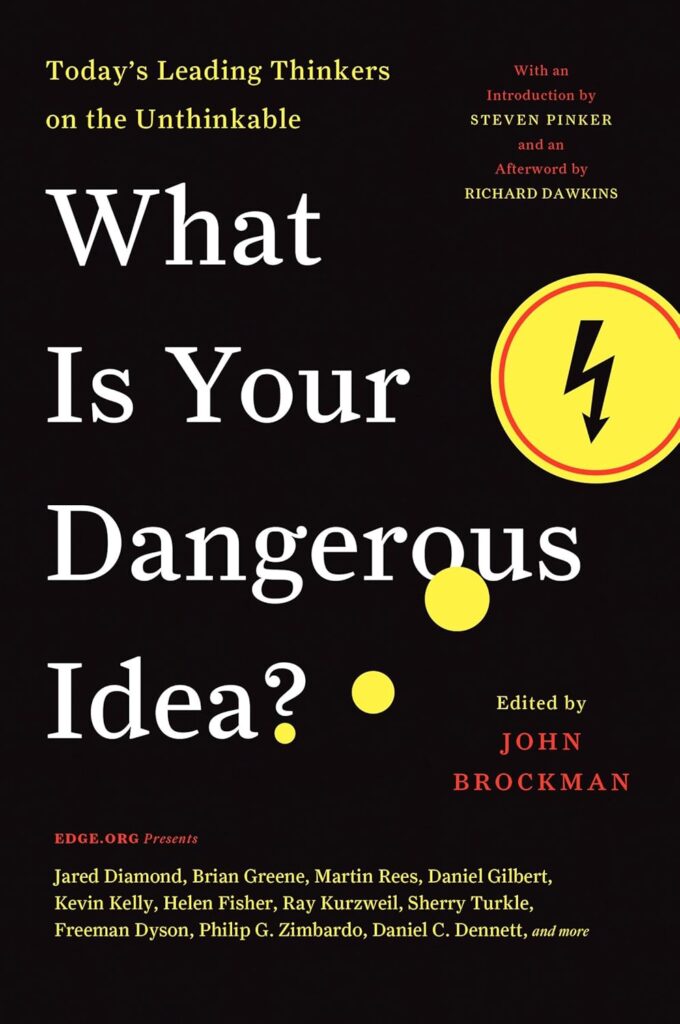
14. What Is Your Dangerous Idea? edited by John Brockman
Intellectual Intensity: 🧠🧠🧠
Synopsis
This collection brings together scientists, philosophers, and thinkers answering one question: What idea do you have that could be dangerous if widely accepted? The result is a wide-ranging exploration of controversial and thought-provoking concepts.
Why It’s Challenging
Rather than one sustained argument, the challenge comes from intellectual variety. Each essay introduces a new way of thinking, often forcing readers to confront uncomfortable or disruptive ideas.
Reader Impact
This book encourages curiosity and intellectual courage. Readers often find themselves questioning long-held assumptions and discovering new areas of interest they want to explore further.
By Category: Pick Your Intellectual Challenge
Not all intellectually challenging books test your brain in the same way. Some push you into deep philosophical territory, others challenge how stories are told, and some stretch your understanding of science, systems, and reality itself. If you’re in the mood for a specific type of mental workout, start with the category that speaks to you most.
Philosophical Heavyweights
These books wrestle with big questions about existence, morality, knowledge, and free will. They’re dense, idea-driven, and often best read slowly, with time to pause and reflect.
Recommended picks:
- Being and Time by Martin Heidegger
- Critique of Pure Reason by Immanuel Kant
- The Brothers Karamazov by Fyodor Dostoevsky
Expect abstract arguments, intense moral debates, and ideas that don’t always offer clear answers—but will stay with you long after you finish reading.
Complex & Experimental Fiction
This category is all about books that challenge traditional storytelling. These novels play with structure, language, point of view, and time, often requiring rereads and outside context to fully appreciate.
Recommended picks:
- Ulysses by James Joyce
- Finnegans Wake by James Joyce
- Infinite Jest by David Foster Wallace
- Gravity’s Rainbow by Thomas Pynchon
If you enjoy unpacking symbolism, navigating nonlinear plots, and embracing ambiguity, these are some of the most intellectually challenging novels you can read.
Science, Systems & Big Ideas
These books stretch your thinking by connecting science, logic, philosophy, and systems theory. They challenge not just what you know, but how you think about knowledge itself.
Recommended picks:
- Gödel, Escher, Bach: An Eternal Golden Braid by Douglas Hofstadter
- A Brief History of Time by Stephen Hawking
- Thinking, Fast and Slow by Daniel Kahneman
- The Selfish Gene by Richard Dawkins
- The Order of Time by Carlo Rovelli
- What Is Your Dangerous Idea? edited by John Brockman
These are ideal for readers who enjoy interdisciplinary thinking and tackling abstract ideas that connect multiple fields.
Reader Challenge: How Many Have You Read?
Now it’s your turn. How many of these intellectually challenging books have you actually read—and finished? Whether you’ve tackled one or powered through several, every completed title on this list is an accomplishment.
Head to the comments and let us know:
- Which books from this list you’ve read
- Which one challenged you the most
- And which title you’re brave enough to try next
We’d also love to hear about the hardest book you’ve ever finished, even if it didn’t make this list. Your picks help other readers discover new books that make you think and keep the conversation going.
If this list made you rethink your reading goals, share it with a fellow book lover on social media and challenge them to join in. The best reading experiences are even better when they’re shared, and your next great mental workout might come from someone else’s recommendation.